
Output for Event 5/10


In April and May 2025, WISE Partners across seven European countries to host ten ‘cinema-forum’ events on energy poverty, drawing 339 participants from 11 countries, with the overarching goal of raising awareness about why single women at a higher risk of being in energy vulnerability.
By combining short documentary screenings with facilitated discussions, each event created a space for single women and other participants to share experiences and consider practical responses. The format helped move conversations into real-world insights about strengthening energy rights and alleviating energy poverty.
Before and after most screenings, interactive polling was used to assess participants’ understanding of energy poverty – its causes, consequences and gendered impacts – both at home and across Europe. Results were displayed in real time to stimulate reflection and measure learning outcomes.
Together, these events probed energy poverty as a layered issue, combining income, housing quality and unpaid care duties. They also underscored the gaps in data and policy that leave women particularly exposed. The events encouraged modest steps toward peer-to-peer learning and grassroots solidarity, laying groundwork for more focused, rights-based approaches in the future.
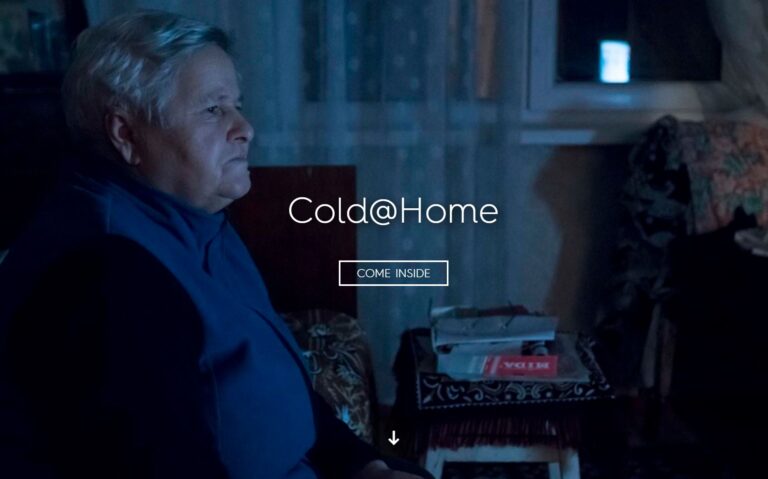
Most events featured some or all of three films produced by WISE Partner, The Energy Action Project (EnAct), with other Partners having translated and embedded subtitles in the local languages. The films are available for use by others and interested parties can contact EnAct about producing additional translations.
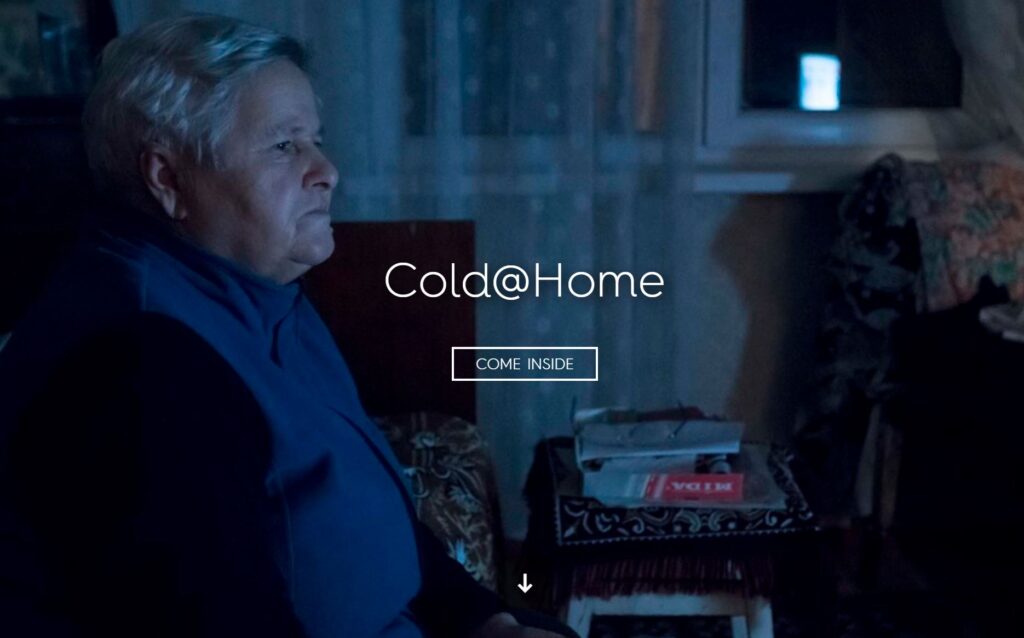
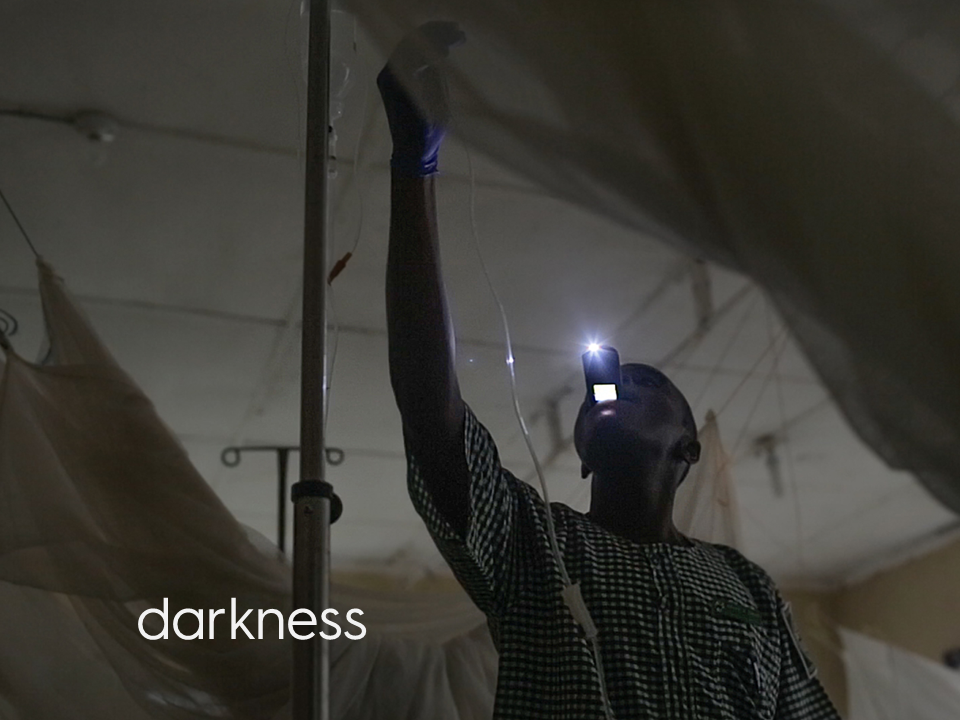
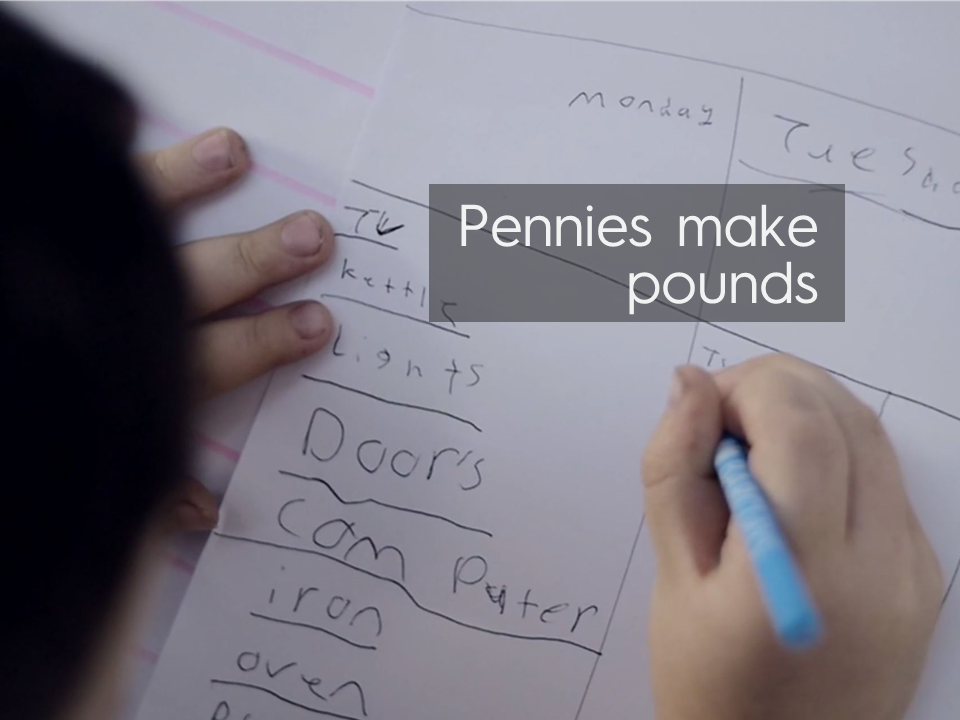
Use of interactive polling during the sessions captured the audiences’ reflections on questions such as: What words do you associate with energy vulnerability? What groups in your country are affected by energy vulnerability? What would the right to energy mean to you?
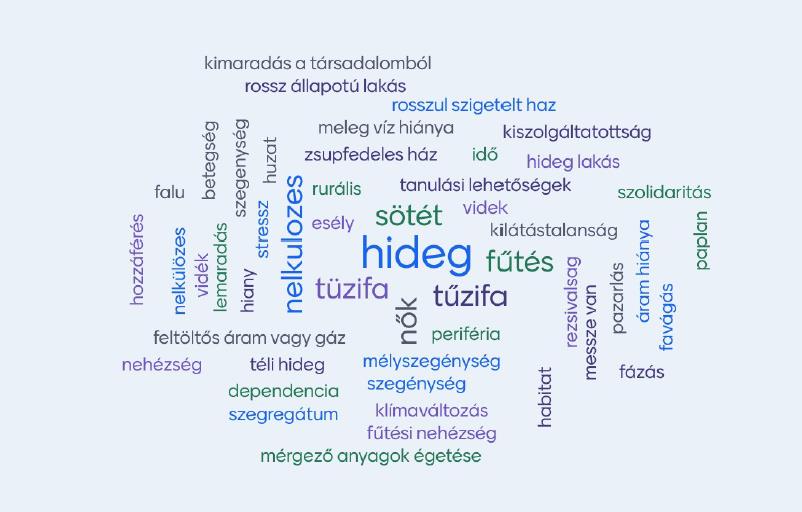
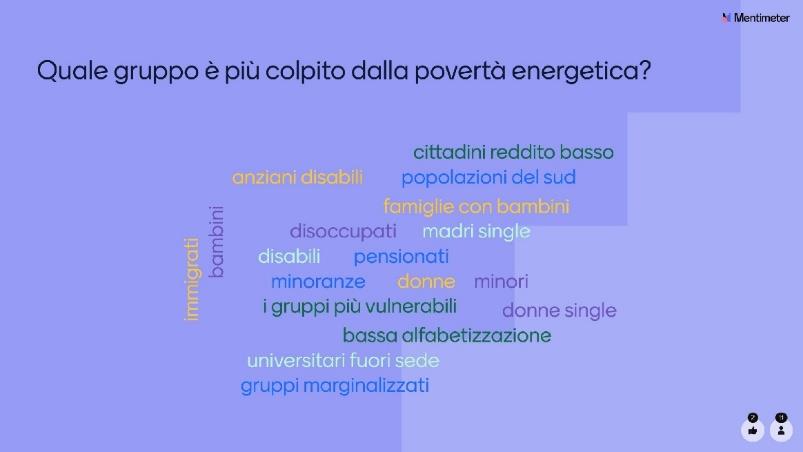
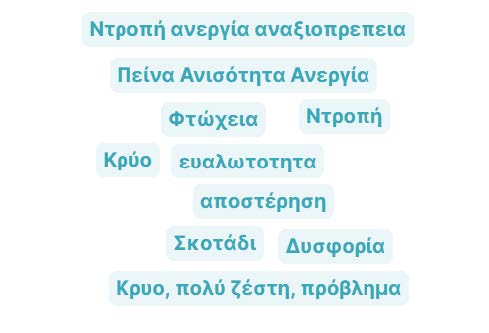
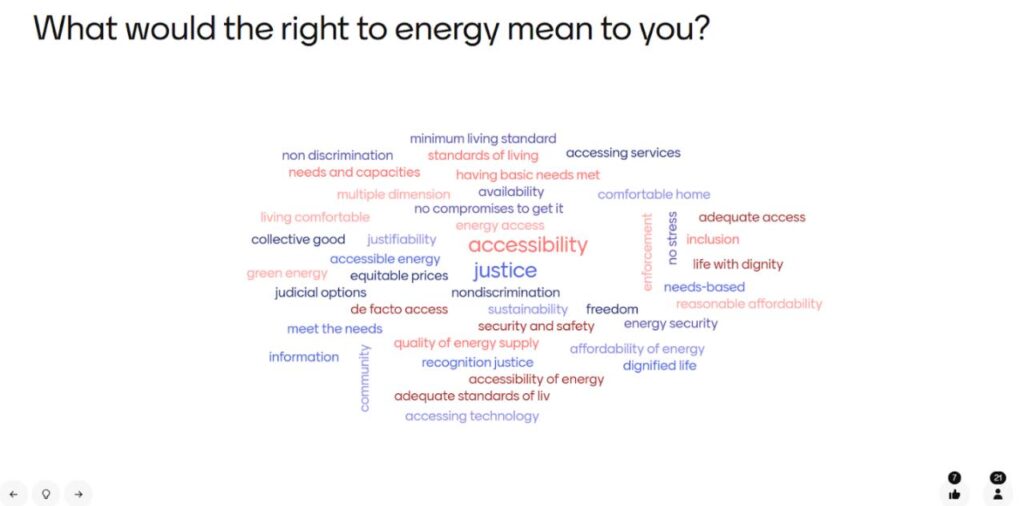
Many participants revised their understanding of both the issues and of governmental roles and state responsibilities. In Hungary, attendees were surprised by the scale of utility subsidies and the extent to which such schemes could result in unfair redistribution. Learning about energy poverty in neighbouring countries, such as insulation initiatives in Slovakia, helped situate the Hungarian experience within a broader European context. Importantly, attendees also expressed mistrust in official statistics, particularly those issued by the national statistical office, indicating a demand for more transparent data.
Across countries, attendees appreciated gaining specific knowledge on practical solutions and support systems. In Croatia, citizens learned how to navigate complex application procedures for energy-related support, while in France, participants discovered organisations such as Locataires Ensemble and expressed eagerness to engage in community-based solutions (such as community energy). The Italian and Bulgarian sessions similarly catalysed discussions on self-organisation, empowerment, and cooperative responses to systemic issues.
Participants widely reported increased interest in collective action, with many expressing a willingness to support further initiatives. Some planned to volunteer for outreach activities, while others intended to raise awareness within their personal networks or support political movements advocating for a just green transition. This shift from passive awareness to active engagement indicates that the events succeeded not only in raising knowledge but also in nurturing civic agency.
Finally, the WISE screenings collectively brought into sharp relief several interlinked issues underpinning gendered energy poverty. They also charted pathways toward more inclusive, rights-based responses. Key findings cross seven main areas.
In weaving together these issues – multidimensional poverty, gendered burdens, data deficits, cultural mobilisation, community solidarity and rights-based advocacy – WISE has laid the groundwork for advocating a more equitable energy future.



The Orion Grid amplifies change by bringing together the energy of the bearers of the democratic impulse. It works through educational, consultative, artistic, public and other interventions.